Warning! Web API Url is not set for the Speaker Bios.
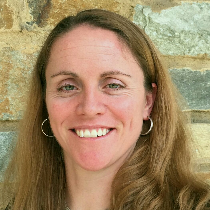 Stacey J. Adam, PhD, Associate Vice President, Research Partnerships, Foundation for the NIH
Associate Vice President
NIH/ODDr. Stacey Adam plays a leadership role at the FNIH, helping to lead many public-private partnerships, such as Accelerating COVID-19 Therapeutic Interventions and Vaccines (ACTIV), the PPP that evaluated hundreds of available therapeutic agents with potential application for COVID-19, prioritized them, and designed and launched multiple master protocols to test them. She oversees the Cancer, Metabolic Diseases and Clinical COVID Research portfolios at the Foundation for the National Institute of Health (FNIH). Beyond ACTIV other major partnerships under her guidance include the two steering committees of the Biomarkers Consortium and their projects, Partnership for Accelerating Cancer Therapies (PACT) and the Lung Master protocol (Lung-MAP) clinical trial. Prior to FNIH, she was a Manager at Deloitte Consulting within the Federal Life Sciences and Healthcare Strategy. She received her PhD from Duke University and postdoctoral training at Stanford University.
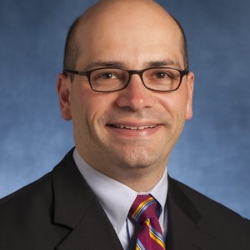 Robert Anders, MD, PhD, Associate Professor, Pathology, Johns Hopkins University
Assoc Prof
Johns Hopkins UnivDr. Robert A. Anders earned his medical and Molecular Biology graduate degrees at Mayo Medical and Graduate School. He completed his Anatomic and Clinical Pathology residence, fellowship in Gastrointestinal and Liver Pathology, postdoctoral training in Immunology and Instructor of Pathology at the University of Chicago. He joined the faculty at Johns Hopkins School of Medicine in 2005 as an Assistant Professor in Division of Gastrointestinal and Liver Pathology and now is an Associate Professor of Pathology. He also serves as co-director of the Tumor Microenvironment Laboratory in the Bloomberg~Kimmel Institute for Immune Cancer Therapy. In addition to his duties as a practicing GI/Liver surgical pathologist, Dr. Anders runs an independently funded research lab that focuses on tumor immunology. His interest in Immunology developed while he studied liver immunology and regeneration while at the University of Chicago and the early years of this position at Johns Hopkins. His current interests are in tumor immunology and specifically interrogating the immune microenvironment in tumor tissue. He first began examining human tissue for the expression of PD-1 / PD-L1 in 2006, at the encouragement of his K08 mentor Dr. Lieping Chen. He continues research in human and murine cancer immunology using single and multiple color immunostaining coupled to digital image analysis.
 J. Carl Barrett, PhD, Professor, University of North Carolina
Professor
University of North CarolinaDr. J. Carl Barrett is Vice President & Global Head of Translational Medicine, Oncology R&D at AstraZeneca Pharmaceuticals LP. His responsibility is to develop and execute biomarker strategy and translational sciences efforts to support compound development from research through early and full development in oncology. From 2005-2011, he was Global Head of Oncology Biomarkers and Imaging in Novartis Oncology Translational Medicine. Prior to joining Novartis, Dr. Barrett was the founding Director of the NCI Center for Cancer Research (CCR), which is the NCI intramural center for translation medicine and novel technologies. He also was Chief of the Laboratory of Biosystems and Cancer. Prior to joining NCI, Dr. Barrett was the Scientific Director at the National Institute of Environmental Health Sciences where his efforts focused on integrating new approaches to toxicology by utilization of molecular approaches of toxicogenomics, molecular toxicology, and the Environmental Genome Project. Dr. Barrett’s longstanding research interests focus on the discovery of the critical genetic and epigenetic changes in the cancer cell, in particular the discovery of genes involved in breast cancer (BRCA1) and in the processes of cellular senescence and cancer metastasis. He has made significant contributions to the identification of molecular defects in cancers and the role of the biosystem in the carcinogenesis process. Trained as a chemist at the College of William and Mary, Dr. Barrett received his PhD degree in Biophysical Chemistry from Johns Hopkins University. He has published over 600 research articles and reviews in leading scientific journals and books. He is a member of the Johns Hopkins University Society of Scholars, an elected member of the Ramazini Foundation, an honorary member of the Japanese Cancer Association, and a recipient of multiple NIH awards and Keynote lectures.
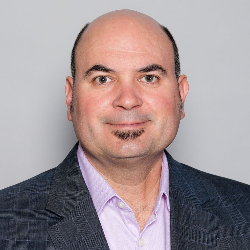 Jonathan Beer, Senior Director, Diagnostic Sciences, Bristol Myers Squibb
Sr. Director Dx Sciences
BMSJonathan Beer joined BMS in 2023 and leads the diagnostic strategy and CDx development for multiple global investigational new drug clinical trials across technology and sample types. Prior to BMS, he was with Novartis for more than a decade and contributed to 7 Pre-Market Approval submissions to the US FDA for Companion Diagnostic Assays and was the lead for the CDx assay for alpelisib which was the 2nd liquid biopsy CDx approved by the FDA and only contemporaneous approval for tissue and plasma sample types in a single submission. In addition to clinical support, Jonathan has led a research lab identifying new and emerging technologies, performed feasibility testing of selected platforms or vendors and recommended assays with the highest impact exploratory biomarker data to drug development teams. Jonathan is a member of the BLOODPAC consortium and shares their mission to help improve patient outcomes through the use of Liquid Biopsies.
 Colin Brenan, Ph.D., CEO, Kibur Medical, Inc.
CEO
Kibur Medical, Inc.Colin J.H. Brenan is a serial life sciences entrepreneur who is presently the CEO of Kibur Medical Inc., an early-stage company commercializing a proprietary approach to precision cancer therapies and personalized diagnostics (www.kiburmed.com). Previously he was Founder/CEO and Director of the single cell instrumentation company 1CellBio; Founder/Chief Commercial Officer and Director of antibody drug developer HiFiBiO Ltd; and, Managing Director of the Monsanto-Atlas Seed Fund Alliance at Atlas Venture. Prior to Atlas, Dr. Brenan was Director of Strategic Relationships for the Center for Integration of Medicine and Innovative Technology (CIMIT) and previously he was Founder, CTO, SVP, Business Development and Director of BioTrove Inc. (Woburn, USA).
Dr. Brenan is the inventor on 26 US patents and published +50 peer-reviewed journal articles. He received his B.Sc. (Honours Physics), M. Eng. (Electrical), and Ph.D. (Biomedical Engineering) from McGill University (Montreal, Canada) and completed post-doctoral training at MIT (Cambridge, USA).
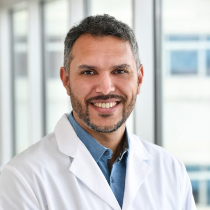 Matias Bustos, PhD, Assistant Professor, Translational Molecular Medicine, Saint John's Cancer Institute
Research Associate
Saint John's Cancer InstituteI am Assistant Professor with a PhD in molecular and cellular biology with a focus on translational research in oncology and biomarkers. My goals are: 1) to improve early detection of solid tumors, 2) to develop new potential blood and tissue biomarkers for monitoring treatment, and 3) to unravel regulatory pathways promoting drug resistance and tumor progression.
 Alexander Cao, PhD, Executive Director, Head of Oncology Clinical Biomarkers, Merck
Exec Dir & Head of Clinical Biomarker Support
Merck & CoAlex received his PhD from Dr. Patricia Jones’ lab on Immunology at Stanford, and pursued his postdoctoral fellowship training on tumor immunology and tumor biology in Dr. Doug Hanahan’s lab at UCSF. Since then, Alex has taken on various positions of increasing responsibility at Pharma/biotech, with extensive experience in oncology drug discovery, translational research and clinical biomarkers, spanning multiple different therapeutic modalities (targeted therapeutics, ADC’s, Epigenetics, I-O therapeutics amongst others). Currently he is the executive director heading Oncology Clinical Biomarkers at Merck.
 Fei Chen, PhD, Assistant Professor, Stem Cell & Regenerative Biology, Broad Institute
Assistant Professor
Broad Institute of Harvard and MITFei Chen is a core institute member at the Broad Institute of MIT and Harvard and an assistant professor in the Department of Stem Cell and Regenerative Biology at Harvard University. During the course of his doctoral research, Chen co-invented Expansion Microscopy, a breakthrough technique that allows for super-resolution imaging of biological samples with conventional light microscopes. As an independent fellow at the Broad Institute, he led a group which bridged microscopy with next generation sequencing through in situ sequencing and Slide-seq technologies. In his current group, he continues to pioneer novel molecular and microscopy tools to uniquely illuminate biological pathways and function. Chen was an Axline scholar at the California Institute of Technology and graduated with a bachelor's degree in electrical engineering. He obtained his PhD in biological engineering from the Massachusetts Institute of Technology, where he was funded by the National Science Foundation Graduate Research Fellowship and the MIT Viterbi and Poitras Fellowships. Following his graduate studies, Chen was a fellow in the Schmidt Fellows program at the Broad. His awards include the National Institutes of Health Director’s Early Independence Award and the Allen Distinguished Investigator Award.
 Michael Chisamore, PhD, Executive Director, Distinguished Scientist, Oncology Early Development – External Collaborations, Merck & Co., Inc.
Exec Dir & Distinguished Scientist
Merck & CoMichael Chisamore, PhD earned a Master’s degree in Biotechnology from the University of Pennsylvania and a PhD in Cellular and Molecular Pharmacology from UMDNJ/Rutgers University. In 2003, Michael joined Merck & Co., Inc. Department of Molecular Endocrinology where he took part in early discovery research evaluating novel nuclear receptors as therapeutic targets for breast and prostate cancer. Starting in 2009 Michael directed various Medical and Scientific Affairs roles within Merck Oncology (highlighted by pembrolizumab clinical development) before joining Early Clinical Oncology Development in 2018. In Early Clinical Development, Michael is an Executive Director/Distinguished Scientist focused on Immuno Oncology combination studies with an external partner (External Collaborations Team) and Clinical Director for multiple collaborative protocols. Michael is the Joint Development Chair for numerous external partners (collaborative studies) where he takes part in team external asset evaluation (multiple work streams), leads partnership development, strategy, and execution.
 Dana Connors, MSc, PMP, Director, Cancer Research Partnerships, Foundation for the National Institutes of Health
Director, Cancer Research Partnerships
Foundation for the National Institutes of Health (NIH)Dana E. Connors, MSc, PMP is the Director for Cancer Research Partnerships at the Foundation for the National Institutes of Health. Drawing on experience in the biotechnology industry, non-profit and federal sectors, he works with the Cancer Steering Committee to set strategy and prioritize project pipelines and manages the activities of project teams and working groups to facilitate the advancement and execution of innovative cancer research and biomarker development. In his work with public-private biomedical research partnerships he engages participation from government, industry, academia, patient-advocacy, and private sector organizations to drive international scientific collaboration in multiple disease areas. Ongoing collaborations include analytical validation and clinical utility of liquid biopsy, project opportunities around immuno-oncology biomarkers, development of clinical trial metrics, and Minimal Residual Disease in blood-based cancers.
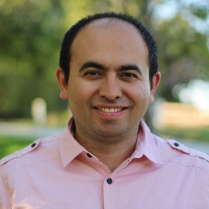 Ahmet Coskun, PhD, Assistant Professor, Biomedical Engineering, Georgia Institute of Technology
Asst Prof
Georgia Institute of TechnologyAhmet F. Coskun (faculty & lab) is currently a Bernie-Marcus Early-Career Professor and Assistant Professor of Biomedical Engineering at Georgia Institute of Technology and Emory School of Medicine. Dr. Coskun directs an interdisciplinary research team at the Single Cell Biotechnology Laboratory. His team’s research aims to study spatial biology in health and disease at the nexus of multiplex bioimaging, microfluidic biodynamics, and big data biocomputation. Using high-dimensional nanoscale imaging datasets, this interdisciplinary program addresses the fundamental challenges in immuno-engineering, cancers, and pediatric diseases. Dr. Coskun was an Instructor at Stanford University School of Medicine. Dr. Coskun received his postdoctoral training from the California Institute of Technology. He holds a Ph.D. degree from the University of California, Los Angeles. He is a recipient of the National Institutes of Health K25 Career Award (2018), the Burroughs Wellcome Fund CASI Award (2016), and the Leukemia & Lymphoma Research Fellowship (2015). His lab is currently funded by a Welcome LEAP grant (2021), Pilot grant from Lung SPORE at Winship (2021), and Georgia Tech & Emory University.
 Biswajit Das, PhD, Principal Scientist, Molecular Characterization, Frederick National Laboratory for Cancer Research
Principal Scientist
Leidos Biomedical Research IncDr. Bishu (Biswajit) Das is Principal Scientist at the Molecular Characterization Laboratory in Frederick National Laboratory for Cancer Research. He has over 10 years of experience in developing clinical genomic assays. His group supports genomic biomarker studies for multiple NCI sponsored clinical trials. He has a PhD in Molecular Biology from Jadavpur University, Kolkata, India and completed postdoctoral work at Carnegie Institution, Baltimore, MD.
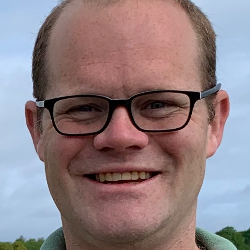 Matthew Davis, PhD, Director, Molecular Biology and Sequencing, Gritstone bio
Director
Gritstone bioMatt Davis serves as the Director of Molecular Biology and Sequencing, responsible for biomarker development and neo-antigen discovery and selection. Dr. Davis joined Gritstone in 2015 at its inception and has driven various research and development projects supporting Gritstone’s clinical programs - GRANITE and SLATE. Prior to joining Gritstone Oncology, Dr. Davis was a post-doctoral researcher at Warp Drive Bio and has held research positions at Dana Farber Cancer Institute (DFCI) and the Broad Institute. He holds a PhD in Genetics from Yale University.
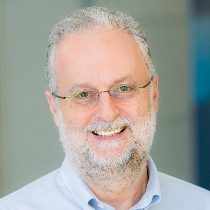 Nicholas C. Dracopoli, PhD, CSO, DELFI Diagnostics
Chief Scientific Officer
Delfi DiagnosticsNicholas Dracopoli, Ph.D. is Chief Scientific Officer at Delfi Diagnostics. Previously, his work focused on oncology translational science at PGDx, Janssen and Bristol Myers Squibb. Prior to joining the pharmaceutical industry, he spent five years in the biotechnology industry at Sequana Therapeutics. Nic obtained his bachelor’s degree and doctorate from the University of London and completed post-doctoral fellowships at the Memorial Sloan-Kettering Cancer Center in New York City, NY and the Massachusetts Institute of Technology (MIT) in Cambridge, MA. Subsequently, he served as an Assistant Director at the Whitehead/MIT Genome Center and as a Section Chief at the National Center for Human Genome Research at the National Institutes of Health, Bethesda, MD. Nic has authored more than 70 scientific publications and has extensive experience in the fields of genomics, molecular biology and cancer research.
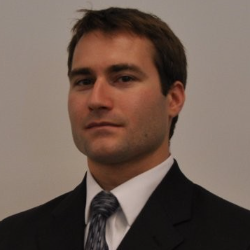 Eugene Drokhlyansky, PhD, Senior Principal Scientist, Bristol Myers Squibb
Senior Principal Scientist
Bristol Myers SquibbI serve a hybrid role at the Mechanisms of Cancer Resistance Thematic Research Center at BMS. First, I head genomics for our TRC. In this capacity, through highly collaborative and multidisciplinary teams, we execute on projects that span CRISPR screens, preclinical biomarker studies and MoA validation by applying canonical and bespoke genomics technologies to in vitro, in vivo and clinical samples. Second, I serve as an Early Target Biology team lead, where we drive reverse translation target ID efforts via single cell and spatial genomics technologies, and functional genomics-based validation studies.
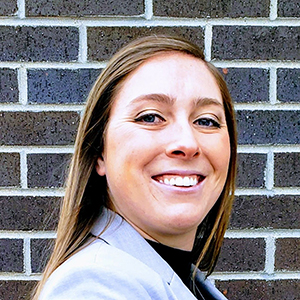 Kathryn Duschean, PharmD, Biomarker Development Fellow, Novartis Institutes for BioMedical Research
Biomarker Development Fellow
Novartis Institutes for BioMedical ResearchDr. Kathryn Duschean is a post-Doctoral fellow in Biomarker Development at Novartis Institutes for Biomedical Research in Cambridge, MA. She is currently involved in biomarker operational planning, implementation, and validation of novel patient-centric sampling techniques, in early phase clinical programs across a variety of therapeutic areas. Her deep personal passions and former research in autoimmune and related conditions heavily influence and progress her interests and projects in this area. She believes that engaging with internal and external partners is critical to advancing toward to ultimate goal of fully decentralized clinical trials in these spaces. Kathryn received both bachelors in English, and in Health Sciences from the University of Iowa, and her PharmD from the University Of Colorado. She is also currently an adjunct faculty member at the Massachusetts College of Pharmacy and Health Sciences, focusing on teaching various elements associated with the innovation and operational consideration in clinical trials.
 Zheng Feng, PhD, MD, Head of Clinical Genomics, Director of Global Clinical Biomarkers & Companion Diagnostics, Translational Medicine, Development Sciences, EMD Serono, A Business of Merck KGaA, Darmstadt, Germany
Dir Global Clinical Biomarkers
EMD Serono R&DZheng Feng, PhD, MD is the Head of Clinical Genomics, Director of
Global Clinical Biomarkers & Companion Diagnostics, in Translational Medicine, Development Sciences, EMD Serono, A business of Merck KGaA, Darmstadt, Germany.
Zheng Feng has over 15 years of pharmaceutical experience working in biopharma companies including Pfizer, EMD Serono, EMD Millipore etc. Dr. Feng has published more than fifty papers and abstracts in both peer journals and conferences in the following areas: Cancer Biology, Regenerative Medicine, Neurological Diseases, Clinical Biomarkers, Clinical Next Generation Sequencing, Liquid Biopsy, Real World Genomics Data Mining, Tissue Diagnostic, Fit for Purpose Clinical Biomarker Assay Development etc. He has also been invited to peer review twenty international scientific journals.
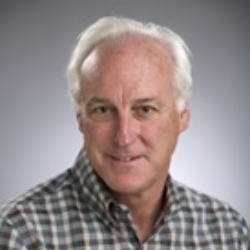 Steven P. Fling, PhD, Lab Director, Vaccine & Infectious Disease, Fred Hutchinson Cancer Research Center
Lab Director, Senior Staff Scientist
Fred Hutchinson Cancer Research CtrSteven Fling, Ph.D. has more than 23 years of research experience in T cell immunobiology, cancer vaccine and immunotherapeutic discovery, and 12 years of experience in the managing collaborative research networks and consortia. He currently serves as the Lab Director for Central Immune Monitoring Lab (CIML), overseeing correlative biomarker studies for the NCI-funded CITN (Cancer Immunotherapy Trials Network) and the industry-funded ION (Immune Oncology Network). CITN/ION is housed at the Fred Hutchinson Cancer Research Center and is conducting more than 20 early-stage, multi-center IO clinical trials for various cancers, with a focus on agents/combinations to potentiate effective immune responses, including IL-7, Flt3L, IL-15, IFNg, TGFb and IDO-1 inhibitors, and anti-PD-(L)1. Previously, he served as Project Director for the Neutralizing Antibody Consortium (NAC), an international consortium of scientists working to develop a vaccine for HIV, and in 2009, established lab operations at IAVI’s Neutralizing Antibody Center at the Scripps Research Institute in La Jolla, CA.
 Gregory Gonye, Principal Field Applications Scientist
Principal Field Applications Scientist
Purigen Biosystems
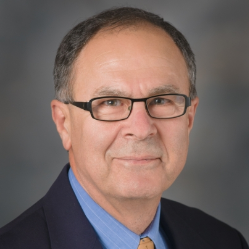 Sam Hanash, MD, PhD, Director, Red & Charline McCombs Institute; Evelyn & Sol Rubenstein Distinguished Chair, Cancer Prevention; Professor, Clinical Cancer Prevention-Research, Translational Molecular Pathology, University of Texas MD Anderson Cancer Center
Director, Red & Charline McCombs Institute; Evelyn & Sol Rubenstein Distinguished Chair, Cancer Prevention; Professor, Clinical Cancer Prevention-Research
University of Texas MD Anderson Cancer CenterDr. Hanash was recruited to MD Anderson Cancer Center in 2011 to lead the Red and Charline McCombs Institute for Cancer Early Detection and Treatment. He was previously program head for Molecular Diagnosis at the Fred Hutchinson Cancer Research Center. Dr. Hanash’s interest and expertise are in the field of cancer diagnostics and the development of blood-based cancer biomarkers for risk assessment and cancer early detection. He is the inaugural president of the International Human Proteome Organization dedicated to the study of the human proteome, and a founder of the US Human Proteome Organization. Dr. Hanash’s approaches to meet the challenge of developing markers that signal the presence of cancer at an early stage to allow detection and effective treatment have included a rigorous painstaking in-depth quantitative profiling of the various types of molecules in the blood to find those that are released early either from the cancer cells or from the host response to the developing cancer. The work emphasizes the need for rigor in experimental design, in data collection and statistical analysis and in developing a mechanistic understanding of the relationship between the identified cancer markers and the developing cancer. This work has sparked innovation in experimental design and statistical analysis of biomarker data aimed at minimizing biases in discovery studies through prospective sample collections that relate most directly to the intended clinical application(s) and at reducing the false discovery rate through integration of data from multiple sources to increase confidence in the significance of the markers.
 Fred Hirsch, MD, PhD, Executive Director, Center for Thoracic Oncology, Tisch Cancer Center; Professor, Medicine and Pathology, Icahn School of Medicine, Mount Sinai NY
Lowe & Price Prof of Medicine & Exec Dir
Icahn School of Medicine at Mount SinaiFred R. Hirsch MD, PhD, is currently the Executive Director at the Center for Thoracic Oncology at Mount Sinai Health Systems. He also serves as a Professor of Medicine at the Icahn School of Medicine, as well as an Associate Director of the Tisch Cancer Institute. Prior to this arrival at MSHS, Dr. Hirsch was a Professor of Pathology at the University of Colorado for 18 years and CEO to the International Association for the Study of Lung Cancer for 5 years. He has been the recipient of awards and honors, including the IASLC Mary Matthews Award for Translational Research in Lung Cancer in 2007; the Japanese Lung Cancer Society Merit Award in 2010; the Addario Foundation Lecture Award in 2015; the Joe Lowe, and Louis Price Endowed Chair in Cancer Research at the Icahn School of Medicine in 2018, and the Wuan Ki Hong Lectureship Award in 2019. Dr. Hirsch has contributed to over 400 publications in peer reviewed journals. He continues to lead research efforts as well as new research in various laboratories in the study of lung cancer.
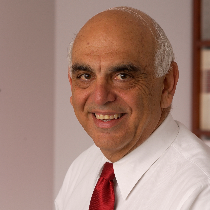 Gary J. Kelloff, MD, Special Advisor, Cancer Imaging Program, National Cancer Institute, NIH
Special Advisor
NIH NCIGary J. Kelloff, MD has had more than 40 years in cancer research at the National Cancer Institute (NCI), authoring more than 400 publications. Dr. Kelloff is a graduate of the University of Colorado (BS and MD degrees). After post-graduate training in medicine at Emory University, he began his NCI career as an intramural scientist and section head in viral immunology working on retroviruses and oncogenes. After fifteen years in NCI’s intramural program, he developed a basic science, translational research, and clinical development program in cancer prevention, serving as a Branch Chief in the NCI Division of Cancer Prevention. Since 2001, he has been a special advisor for the NCI Division of Cancer Treatment and Diagnosis working on strategies for developing biomarkers for oncology drug development and cancer patient management. He previously led and currently leads several collaborations with FDA and the pharmaceutical industry on drug development strategies and since 2009 has co-chaired on-going efforts under the Foundation for the National Institutes for Health Biomarkers Consortium to create public-private partnerships to define biomarker use in cancer drug development and patient management. Past work has included establishment of a developmental pathway for approval of cancer prevention drugs as part of an AACR initiative and evaluation of tumor burden markers and precancerous histopathology as part of a C Change initiative. Current efforts under the Biomarkers Consortium include consideration of imaging-based biomarkers (FDG-PET/CT, volumetric CT, molecular probes) and new technologies for measuring circulating tumor cells and nucleic acids, minimal residual disease, novel trial designs for evaluating prognostic and predictive biomarkers, molecular signatures and new drugs, including gene expression and proteomic biomarkers, and evaluation of the tumor immune environment. He is also involved in on-going efforts to establish protocol and assay standardization for biomarker evaluation, as well as data-sharing for implementation in personalized medicine in oncology. Related to these efforts, Dr. Kelloff serves on the drug selection and oversight committees for two innovative clinical trials using biomarker-based designs to evaluate new oncology drugs (the I-SPY-2 trial in breast cancer and the Lung-MAP trial in non-small cell lung cancer). New tools for personalized medicine in oncology are evolving from these studies. All the work described has involved collaboration with stakeholders including leaders in industry, academia, FDA and other government agencies, foundations, and advocacy groups and has resulted in many publications addressing specific biomarkers and general drug development strategies.
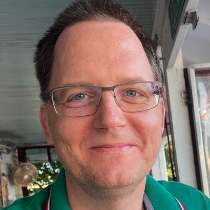 Carsten Krieg, PhD, Assistant Professor, Microbiology & Immunology, Medical University of South Carolina
Asst Prof
Medical Univ of South CarolinaCarsten Krieg, PhD, is an Assistant Professor of Immunology in the Department of Pathology and Laboratory Medicine & Dermatology and Co-Director of the Immune Monitoring Core at the Medical University of South Carolina. The Krieg lab combines high-dimensional single-cell techniques with bioinformatics analysis to define new cellular biomarkers. Using our workflow, we recently described cellular biomarker signatures to predict the response of patients with melanoma to immunotherapy and patients with therapy-resistant lung cancer to novel combination immunotherapy. In addition, the Krieg lab recently expanded its effort into using multi-platform technologies, such as MALDI-IMS and imaging mass cytometry, to identify and characterize single-cells in tissues. Dr. Krieg is a member of the Big Data and Data Sharing Committee of SITC. He co-organized a webinar series to help foster better communication concerning data science technologies and analyses between cancer immunotherapy researchers, industry, and clinicians to fuel translational immunotherapy research. Dr. Krieg is CEO of CellXa. CellXa is a company providing consultation and access to single-cell analysis platforms.
 Razelle Kurzrock, MD, Professor, Medicine, Associate Director, Clinical Research, Linda T. and John A. Mellowes Endowed Chair of Precision Oncology, Medical College of Wisconsin; CMO, Worldwide Innovative Network (WIN) for Personalized Cancer Therapy
Professor
Medical College of WisconsinRazelle Kurzrock, MD is a world-renowned physician-scientist leader in precision medicine as well as in the development of novel therapeutics in the field of oncology. She is recognized for founding, developing and chairing one of the largest Phase 1 clinical trial departments globally while at the University of Texas MD Anderson Cancer Center; the central theme of the department was a personalized medicine strategy. She is also one of the pioneering trialists of the WINTHER precision medicine trial focusing, for the first time, on transcriptomics in addition to genomics. This trial was the signature study of the WIN international consortium (Nature Medicine).
During her time at the University of California San Diego Health, Dr. Kurzrock’s charge was founding and leading the Center for Personalized Cancer Therapy as well as the Experimental Therapeutics program, and she also founded a Rare Tumor Clinic focused on precision medicine. The signature study of the center was the IPREDICT study (Nature Medicine, 2019) that gave, for the first time, individualized N-of-1 matched combination therapies to patients with lethal malignancies, hence resulting in improved outcomes.
Dr. Kurzrock is also an entrepreneur. She is co-founder of CureMatch, and on the Board of both CureMetrix and CureMatch.
Dr. Kurzrock has over 950 publications on Pubmed, an H-index of 146, and has been named yearly to the list of most cited scientists worldwide.
She has four children and three dogs and lives with her husband Dr. Philip Cohen, in San Diego, California.
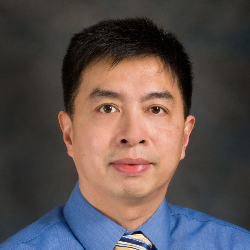 Shiaw-Yih (Phoebus) Lin, PhD, Professor, Systems Biology, MD Anderson Cancer Center
Prof & Deputy Chairman
MD Anderson Cancer CtrI am a tenured full professor in the Department of Systems Biology at MD Anderson Cancer Center. My lab has identified many key players in DNA damage response network and characterized their critical roles in tumor suppression (e.g., Cancer Cell, 2006; Nat Cell Biol. 2009). Moreover, by utilizing powerful systems biology approaches, we have developed effective and novel strategies to target cancers via their defects of DNA damage and stress responses, including developing signatures and targeting drugs against cancer with homologous recombination (HR) defects (Nat Commu, 2014), mismatch repair (MMR) defects (Cancer Cell, 2020) and replication stress response (RSR) defects (Cell Rep, 2018). I have been playing an integral role in bridging the basic research with preclinical and clinical studies. My research accomplishments in these areas have led to my being awarded several major grants (NIH R01 grants, an Era of Hope Scholar Award, an Innovator and Scholar Concept Award from the DOD, and a Research Scholar Award from the American Cancer Society).
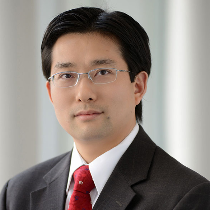 Dongfang Liu, PhD, Associate Professor, Director Immunoassay Development, Pathology & Immunology & Lab Medicine, Rutgers University
Associate Professor, Director Immunoassay Development
Rutgers UnivDongfang Liu, PhD, Associate Professor, Director of Immunoassay Development Program in the Department of Pathology and Laboratory Medicine and the Center for Immunity and Inflammation in Rutgers University. In 2012, Dr. Liu was recruited to Baylor College of Medicine as a tenure-track Assistant Professor in the Department of Pediatrics and Department of Pathology & Immunology, before joining Houston Methodist Research Institute as an assistant professor in 2015. In 2018, Dr. Liu was promoted to an Associate Professor in Houston Methodist Research Institute. Dr. Liu did his postdoctoral training on natural killer (NK) cells at the National Institute of Allergy and Infectious Diseases (NIAID) in National Institutes of Health (NIH) from 2005 to 2011. After completing the postdoctoral training, he joined Ragon Institute of MGH, MIT and Harvard in 2011 as a senior research scientist, where he worked on HIV-specific CTL dysfunction with a focus on PD-1 in HIV-specific CTL immunological synapse. Dr. Liu’s current research is primarily focused on the immunobiology of chimeric antigen receptor (CAR) T and NK cells, immunoreceptors, CAR immunotherapy, and HIV-specific CTLs in chronic HIV and its related malignancies, with a focus on immunological synapse biology and its clinical applications.
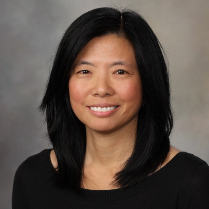 Minetta C. Liu, MD, CMO, Oncology and Early Cancer Detection, Natera, Inc.
CMO
Natera IncMinetta C. Liu, MD, is a Professor of Oncology and Research Chair for the Department of Oncology with a secondary appointment in the Department of Laboratory Medicine and Pathology at Mayo Clinic Rochester. Dr. Liu also serves as Co-Leader of the Genomics in Action Strategic Priority for the Center of Individualized Medicine. She holds positions in several external professional organizations, including Co-Chair of the Clinical Working Group for the Evelyn H. Lauder Founder’s Fund Collaboration; Co-Chair of the Correlative Science Working Group for the Translational Breast Cancer Research Consortium; and Chair of the Circulating Biomarker Working Group for the Alliance for Clinical Trials in Oncology. As a physician and translational researcher, Dr. Liu specializes in breast medical oncology and promotes the latest advances in clinical and laboratory-based research across the spectrum of malignancies. She is dedicated to improving patient outcomes through the use of molecular diagnostic tools to promote precision cancer care. Her laboratory efforts focus on expanding the availability and clinical applications of circulating blood-based biomarker assays for drug selection and disease monitoring in advanced malignancies, for the detection of molecular residual disease in early stage cancers, and for multicancer early detection in healthy and/or at-risk individuals.
 Anna Lyubetskaya, PhD, Principal Scientist, Bristol Myers Squibb
Principal Scientist
Bristol Myers Squibb
 Kathleen Mahoney, MD, PhD, Clinical Instructor, Beth Israel Deaconess Medical Center; Research Fellow, Dana-Farber Cancer Institute
Instructor
Beth Israel Deaconess Medical CtrTargeting immune checkpoint pathways, such as PD-1 and its ligand PD-L1, have shown promising clinical benefit with significantly less toxicity than prior immune therapies. My research interest lies in better understanding the biology of the other B7 family proteins and immunoevasive molecules in addition to PD-1/PD-L1 pathway, and their function in the tumor microenvironment, in order to help guide treatment decisions and improve patient outcomes.
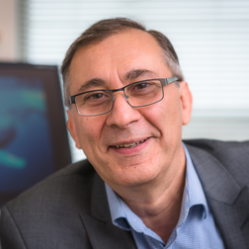 G. Mike Makrigiorgos, PhD, Professor and Director, Medical Physics and Biophysics, Dana-Farber Cancer Institute, Brigham and Women's Hospital, and Harvard Medical School
Director, Medical Physics & Biophysics & Professor
Dana Farber Cancer InstituteDr. Makrigiorgos is a Professor of Radiation Oncology and Director of the Medical Physics & Biophysics division at Dana Farber Cancer Institute and Brigham and Women’s Hospitals, Harvard Medical School. He also directs the DNA technology laboratory and the radiation pre-clinical facility. His research interests include the development of novel DNA technologies for molecular diagnostics in Oncology and the identification of circulating cancer biomarkers. He is the inventor of several PCR-based techniques for molecular diagnostics, including COLD-PCR and NaME-PrO technologies. He is a Member of the Editorial Board of Clinical Chemistry and has published over 150 articles, reviews and book chapters.
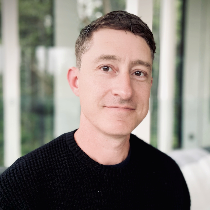 Silas Maniatis, PhD, Associate Director, Technology Innovation, New York Genome Center
Associate Director
New York Genome CtrSilas Maniatis received his PhD in Biochemistry from Harvard University. During his doctoral work, he utilized automated olfactory avoidance behavioral training systems and high throughput sequencing to study how memory formation in drosophila is regulated via small RNAs. This work spanned multiple disciplines, including instrument design and construction, drosophila genetics, molecular, and computational biology. Prior to his doctoral work, Dr Maniatis was a member of Richard Axel’s lab at Columbia University Medical Center. In the Axel lab, he utilized imaging and behavioral methods to identify the molecular and cellular underpinnings of sexual dimorphism in the mouse brain. Dr Maniatis’ research career also includes work in startup and established biotech companies. At Genetics Institute, Dr Maniatis built and operated robotic systems for high-throughput small molecule drug discovery screens. Dr Maniatis was also a founding employee of Acceleron Pharma, where he helped establish the company’s research facilities and technological platform. His work at Acceleron Pharma included the construction of expression systems and cell lines now producing Luspatercept and several related molecules. In his previous role at NYGC's Center for Genomics of Neurodegenerative Disease, Dr Maniatis’ work was focused on understanding how intercellular interactions contribute to neurodegeneration. Given the intrinsic relationship between the physical arrangement of cells in the CNS and CNS function, methods that deliver data with spatial resolution are highly desirable for such studies. Accordingly, Dr Maniatis’ work has focussed on development and application of spatially resolved methods to studies of ALS and related dementias. Recently, Dr Maniatis became associate director for Technology Innovation at NYGC, where he leads the center's development of multimodal single cell and spatially resolved technologies.
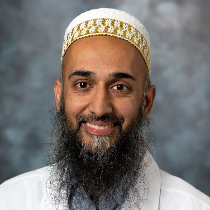 Akil Merchant, MD, PhD, Associate Professor, Medicine & Director, Imaging Mass Cytometry Core, Cedars-Sinai Medical Center
Assoc Prof & Dir
Cedars Sinai Medical CtrAkil Merchant is a physician-scientist with a focus on understanding the role of the tumor microenvironment in cancer development, progression, and response to immunotherapy. He is the founding director of the imaging mass cytometry core facility at Cedars Sinai Cancer and is co-director of the Lymphoma clinical program.
 Christine D. Palmer, PhD, Director, Clinical Immunology, Gritstone bio
Dir Clinical Immunology
Gritstone bioDr. Palmer received her undergraduate degree in Biological Sciences from the University of Oxford, and her PhD in Immunology from Imperial College London. Following two postdoctoral fellowships at University College London and Harvard Medical School, Dr. Palmer joined the Ragon Institute of MGH, MIT & Harvard as Research Specialist. Following a short sabbatical at the London School of Hygiene and Tropical Medicine, Dr. Palmer joined Gritstone bio where she now serves as the Director of Clinical Immunology.
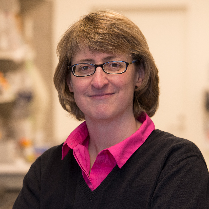 Amanda Paulovich, MD, PhD, Professor and Aven Foundation Endowed Chair; Director, CLIA Targeted Proteomic Laboratory, Fred Hutchinson Cancer Research Center; Director, Clinical Research Proteomics Platform, Brotman Baty Institute for Precision Medicine; Professor, Medicine, University of Washington School of Medicine
Professor & Chair
Fred Hutchinson Cancer Research CtrDr. Paulovich completed a residency in Internal Medicine at Massachusetts General Hospital and a fellowship in Oncology at Dana-Farber Cancer Institute. She completed her Ph.D. training in genetics with Dr. Lee Hartwell at University of Washington and postdoctoral training in genomics at the Massachusetts Institute of Technology with Dr. Eric Lander. As an oncologist, Dr. Paulovich was struck by the paucity of quantitative assays for measuring clinically relevant phenotypes in her patients, and the limitations that this put on her ability to practice “personalized medicine.†Out of these experiences, she became passionate about developing technologies and strategies for translation of NextGen diagnostics and therapeutics to enable precision medicine. Over the past 18 years, Dr. Paulovich's interdisciplinary laboratory has focused on proteogenomic approaches to understanding cancer biology and laying the groundwork for the clinical translation of NextGen diagnostics incorporating targeted, multiple reaction monitoring (MRM) mass spectrometry.
 Vasiliki Pelekanou, MD, PhD, Senior Director, Digital Pathology, Bayer Pharmaceuticals-US
Digital Pathology Leader-Senior Director
Bayer Pharmaceuticals-USVasiliki (Vasso) is a physician-scientist, board-certified surgical pathologist, seasoned translational cancer researcher and passionate on drug development. She earned her MD and PhD (molecular oncology, pathology and experimental endocrinology) from the University of Crete, School of Medicine in Greece and then moved to Brussels Institut Jules Bordet -Université Libre de Bruxelles (Belgium) to pursue her post-Doctoral fellowship in breast cancer and estrogen receptor degradation. She completed her training in Pathology and Cytopathology in Brussels at Institut Jules Bordet -Université Libre de Bruxelles (Belgium), and University of Crete, School of Medicine in Greece. She then served as Faculty at Yale University Pathology Department (2014-2018) where she focused on quantitative/digital pathology (AQUA technology, as well as other quantitative approaches with projects related to predicting response to therapy or recurrence or metastasis), large scale omics, immune-oncology tissue biomarkers and clinical trials. She joined Sanofi US (2018-2021), where she served as Translational Medicine Lead for multiple programs in discovery, early and late development. Currently she is leading Digital Pathology (Senior Director) at Bayer Pharmaceuticals-US, within the team of Oncology Precision Medicine, RED-ONC (Cambridge, MA, USA). She has authored more than 51 articles (2508 citations), co-invented 4 patents and was granted with multiple awards, including a Marie-Curie Fellowship.
 Rachana Pradhan, PhD, Principal Scientist, gCS, Genentech
Principal Scientist
GenentechRachana Pradhan is a postdoctoral fellow in Oncology Bioinformatics at Genentech where she investigates the role of fibroblasts and other stromal cell types in inflammatory & fibrotic diseases along with cancer indications. She specializes in implementing integrative data analyses to infer biological meaning from single-cell multimodal assays. Her recent work includes the construction of mouse and human fibroblast atlases, spanning multiple tissues and disease indications available at https://www.fibroxplorer.com/. Prior to Genentech, Rachana obtained her PhD at the Swiss Federal Institute of Technology, Lausanne (EPFL) in Bioengineering with a focus on functional genomics.
 John Quackenbush, PhD, Professor of Pediatrics and Human Genetics, University of Chicago; Professor Emeritus of Computational Biology and Bioinformatics, Harvard T.H. Chan School of Public Health
Professor of Pediatrics and Human Genetics
University of ChicagoDr. John Quackenbush is Professor of Pediatrics and Human Genetics at the University of Chicago. He is Professor Emeritus of Computational Biology and Bioinformatics at the Harvard T.H. Chan School of Public Health. He is Professor of the Channing Division of Network Medicine at Brigham and Women's Hospital, and the Dana-Farber Cancer Institute, as well as the director of the Harvard Quantitative Biomedical Research Center (QBRC). His research group is developing methods to infer regulatory network models and to associate the structure and properties of these models with phenotypes in health and disease.
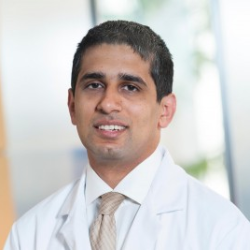 Nadeem Riaz, MD, Associate Director, Immunogenomics and Precision Oncology Platform, Radiation Oncology, Memorial Sloan Kettering Cancer Center
Asst Attending & Assoc Dir Genomics Operations
Memorial Sloan Kettering Cancer CtrDr. Riaz obtained his MD and a MSc in bioinformatics from Stanford University and completed clinical training in radiation oncology at Memorial Sloan Kettering Cancer Center (MSKCC). He subsequently stayed on staff at MSKCC as a Head and Neck Radiation Oncologist and also serves as the Associate Director for the Immuno-genomics and Precision Oncology Platform at MSKCC. His laboratory research has focused on the development of novel computational techniques to interrogate genomics data to predict outcomes after immuno-therapeutics in cancer. He focuses on how mutational processes and tumor clonality influence the production and immunogenicity of neo-antigens. His clinical research efforts have focused on personalizing radiotherapy for HPV-related oropharyngeal cancers.
 David L. Rimm, MD, PhD, Professor, Pathology and Medicine (Oncology); Director, Translational Pathology, Yale University School of Medicine
Prof
Yale UnivDr. David Rimm is a Professor in the Departments of Pathology and Medicine (Oncology) at the Yale University School of Medicine. He is the Director of Yale Pathology Tissue Services. He completed an M.D.-Ph.D. at Johns Hopkins University Medical School, followed by a Pathology Residency at Yale and a Cytopathology Fellowship at the Medical College of Virginia. He is boarded in Anatomic and Cytopatholgy. His research lab group focuses on quantitative pathology using the AQUA® technology invented in his lab, and other quantitative methods, with projects related to predicting response to both targeted and immune-therapy in cancer and standardization of those assays for CLIA labs. His lab is involved in testing new high-plex methods, including imaging mass cytometry (Fluidigm) and digital spatial profiling (NanoString). He also has supported projects related to rapid, low-cost diagnostic tests and direct tissue imaging. The work is supported by grants from the NIH, BCRF, and sponsored research agreements from biopharma. He also serves on the CAP Immunohistochemistry committee and multiple scientific advisory boards for biotech and pharma. He is an author of over 400 peer-reviewed papers and 8 patents.
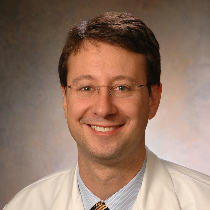 Jeremy P. Segal, MD, PhD, Director, Molecular and Cytogenetic Pathology, Associate Professor of Pathology, University of Chicago
Associate Professor
Univ of ChicagoJeremy Segal, MD, PhD is the director of Molecular and Cytogenetic Pathology and Associate Professor of Pathology at The University of Chicago. He completed his MD and PhD at Weill Cornell and Rockefeller University in New York City and Molecular Genetic Pathology fellowship at University of Pennsylvania prior to joining UChicago in 2013. At UChicago, Dr. Segal is focused on the clinical development and implementation of advanced genomic testing methodologies to help diagnose and manage patients with solid tumors and hematological malignancies. He is also co-founder of the Genomics Organization for Academic Laboratories (GOAL), a consortium effort dedicated to the advancement of genomic testing at academic and non-profit laboratories.
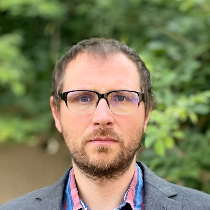 Douglas Shepherd, PhD, Assistant Professor, Biological Physics, Arizona State University
Assistant Professor
Arizona State UniversityDouglas Shepherd is an assistant professor in the Center for Biological Physics and the Department of Physics at Arizona State University. He is currently a Scialog Advanced Bioimaging fellow and lead a group of researchers that form the Quantitative Imaging and Inference Laboratory (qi2lab). Prior to joining Arizona State University, he was an assistant professor in the Departments of Physics and Pharmacology at the University of Colorado Denver Anschutz Medical Campus from 2013-2019. He received his Ph.D. in Physics from Colorado State University and was a postdoctoral fellow at the Center for Integrated Nanotechnologies and Center for Nonlinear Studies at Los Alamos National Laboratory from 2011-2013. The focus of qi2lab research is developing quantitative imaging and statistical inference tools to build predictive models of genetic regulation in multi-cellular systems.
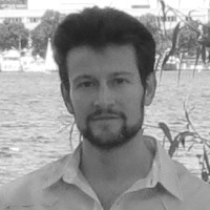 Nikolai Slavov, PhD, Associate Professor, Bioengineering, Northeastern University
Associate Professor
Northeastern Univ
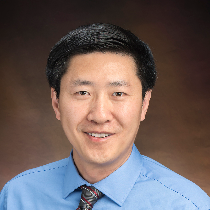 Kai Tan, PhD, Professor, Pediatrics, Cell & Development Biology; Genetics Director, Center for Single Cell Biology, Children’s Hospital of Philadelphia Perelman School of Medicine, University of Pennsylvania
Professor
Childrens Hospital of PhiladelphiaDr. Tan was trained in computational genomics and systems biology. His research uses systems biological approaches to study transcriptional and epigenetic regulation of hematopoiesis and pediatric cancer. Dr. Tan is currently a Professor of Pediatrics at the Children's Hospital of Philadelphia and the University of Pennsylvania Perelman School of Medicine. He is also co-leader of the Pediatric Oncology program at the Abramson Cancer Center and director of the Center for Single Cell Biology at CHOP.
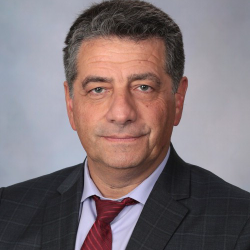 George Vasmatzis, PhD, Assistant Professor, Lab Medicine & Co-Director, Biomarker Discovery Program, Mayo Clinic & Foundation
Asst Prof Lab Medicine & Co Dir
Mayo Clinic & FoundationDr. Vasmatzis is the founding co-director of the Biomarker Discovery Program, within the Center for Individualized Medicine. He is also an Associate professor and consultant in the Department of Molecular Medicine and a member of the Mayo Clinic Cancer Center. His research program consists of bioinformatics specialists, molecular biologists, epidemiologists, and pathologists. By training and experience, Dr. Vasmatzis has a unique set of skills in engineering, computational biology, bioinformatics and genomics. He recognizes the critical importance that each team member plays to the success of a given project or that of a program as a whole. He works tirelessly to maintain a team spirit. This team has demonstrated success in discovery and translation of several biomarkers as well as developing evidence-based models that should help clinicians stratify (cancer) patients in order to provide each individual with the appropriate care. Published papers in Journal of Clinical Oncology, Cancer Research and BLOOD further demonstrate the laboratory’s discovery, validation, and translation capabilities. With the recent advances in Next Generation Sequencing (NGS) technologies his laboratory has been engaging in massive sequencing to scan the genome of cancer cells for abnormalities that can be used for clinical purposes such as diagnosis and stratification of patients for optimal treatment. He has developed MPseq, an accurate and inexpensive whole genome sequencing platform that has been used to detect structural variants. MPseq is a combination of a protocol and algorisms that can deliver a detailed description of all DNA rearrangements at a resolution that can show how individual genes are disturbed thus providing necessary novel insight for correct clinical interpretation.
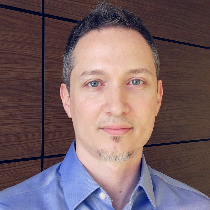 Ioannis Vlachos, PhD, Director, Spatial Technologies, Beth Israel Deaconess Medical Center; Assistant Professor, Pathology, Harvard Medical School; Associate Member, Broad Institute of MIT & Harvard
Director of Spatial Technologies
Beth Israel Deaconess Medical Center, Harvard Medical School, Broad InstituteDr. Vlachos is an Assistant Professor of Pathology, Beth Israel Deaconess Medical Center (BIDMC)/Harvard Medical School (HMS), and the Co-Director of the Bioinformatics Program, Cancer Research Institute, BIDMC. He is also the Director of the Spatial Technologies Unit, BIDMC/HMS Initiative for RNA Medicine, and an Associate Member of the Broad Institute of MIT & Harvard. His group focuses on creating novel in silico and experimental methods for reverse translation. He has also worked extensively in whole genome and RNA Medicine/non-coding RNA applications.
 Theresa L. Whiteside, PhD, Professor, Pathology, Immunology & Otolaryngology, UPMC Hillman Cancer Center, University of Pittsburgh Cancer Institute
Prof
UPMC and University of PittsburghDr. Whiteside received both her MA and PhD degrees in Microbiology from Columbia University, New York, NY. She is a Diplomate of the American Board of Medical Laboratory Immunology (1979). She was as a Fogarty Senior International Fellow at the Ludwig Institute for Cancer Research in Lausanne, Switzerland (1984-85). At the University of Pittsburgh, Dr. Whiteside rose through the faculty ranks to become Professor of Pathology with secondary appointments as Professor of Immunology and Otolaryngology (1989-present). She served as Director of the Immunologic Monitoring and Cellular Products Laboratory (IMCPL) at the UPMC Hillman Cancer Center for 25 years and is now its Interim Director. Dr Whiteside’s research has been focused on mechanisms of tumor-induced immunosuppression, cytokine networks, development of anticancer vaccines, immunobiology of human tumors and the role of natural immunity in the control of cancer progression. She studies mechanisms of tumor escape from the host immune system and the development of therapies designed to eliminate tumor escape. Most recently, she has been investigating tumor-derived exosomes (TEX) and their role in cancer-induced immune suppression. She has authored 615 peer-reviewed papers and 175 chapters and review articles. She received a Honoris causa degree in Medicine from The Poznan Medical University in Poland in 2011 and was awarded a Richard V. Smalley Memorial Award by the Society of Immunotherapy of Cancer in 2012.
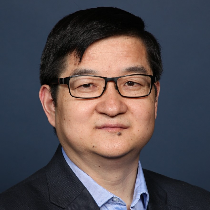 Jianda Yuan, MD, PhD, Senior Medical Director, Translational Oncology, Merck
Sr Medical Dir
Merck & CoDr. Jianda Yuan is Senior Medical Director in Merck Head & Neck team. He is the clinical director for several Merck sponsored oncology clinical trials (KN122, KN161, KN495, KN629, KN630, KN689) and oversaw dozens of external academic OTSP studies. He collaborates internally and externally scientific experts to develop a robust portfolio of research to answer critical questions about mechanisms of cancer immunotherapy response and resistance. Before he joined Merck in February 2016, he established and led the translational biomarker research at Ludwig Center for Cancer Immunotherapy at Memorial Sloan Kettering Cancer Center from 2002 to 2016. His research interest is translational medicine and biomarker discovery for immune checkpoint blockade immunotherapy with approximately 80 peer-reviewed articles, including publication in Science, NEJM, Nature Medicine, Nature Immunology, PNAS, Blood, Journal of Immunology, Clinical Cancer Research and Journal Immunotherapy of Cancer. He is a member of SITC, COHAN, AACR and ASCO. Dr. Yuan is an Associate Editor of the Journal Immunotherapy of Cancer. He served as a member of the steering committee for the CRI-CIC from 2006 to 2011. He is Group Chair of the SITC Biomarker Task Force and the Chair of the SITC Tumor Mutational Burden subcommittee.